

What does setup time mean?
Setup time is the period during which the machine or system is converted from manufacturing one product to another. If, for example, piece goods are manufactured, setup time is defined as the time from the last good part of the old batch to the first good part of the new batch.
Setup time is therefore not "waste" in the actual sense of the word, but since it means at least partial machine downtime, longer setup times naturally reduce the productivity and effectiveness of your production facilities.
Every improvement process aimed at reducing setup time is preceded by an analysis of the setup procedures: Which steps are necessary? Which ones are currently being performed, and how much time does this take? In what order are the steps performed, and can this be changed? Which steps are really necessary, and which ones can be optimized?
A thorough analysis also includes the question: Is it possible to retool the systems less frequently overall, i.e., to reduce the number of product changes? Less frequent changeovers are naturally less time-consuming and therefore save money. At the same time, the costs saved as a result must be clearly weighed against the desire to keep inventory as low as possible, i.e., to avoid overproduction of goods. And, of course, plant utilization should remain as high as possible throughout all of this.
When it comes to setup time, a distinction is made between external setup (activities that are also possible while the production system is running) and internal setup (which requires the system to be shut down). It is naturally in your interest to keep internal setup, which forces productivity losses, as short as possible.
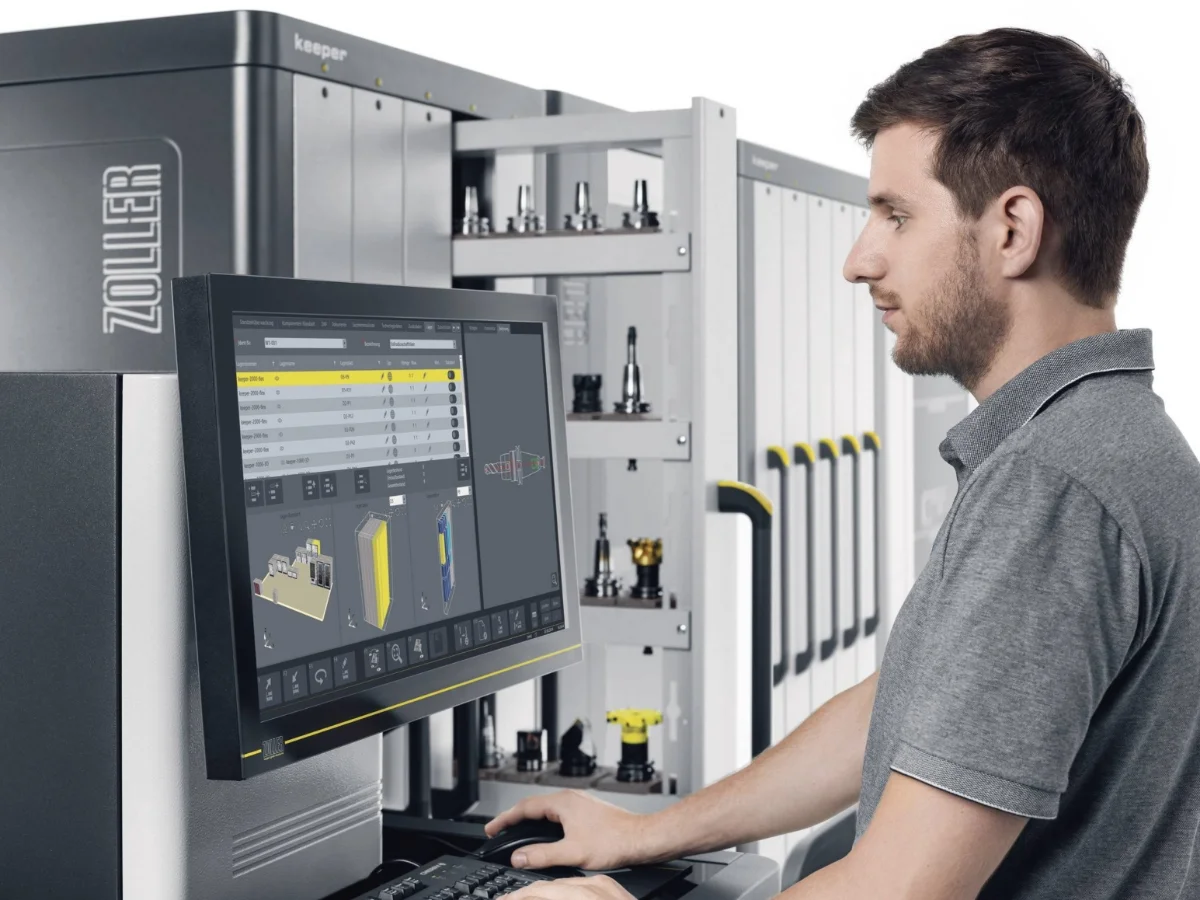
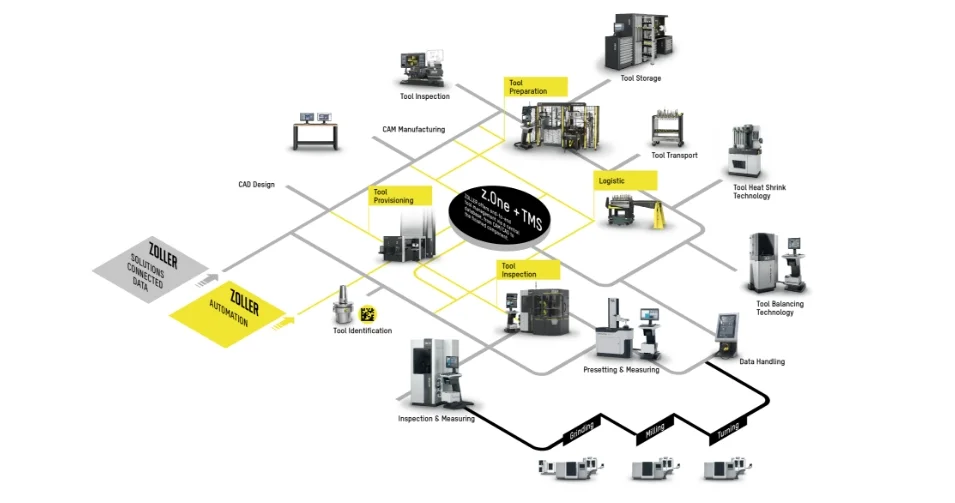
With modern machines, the thorough digitization and automation of setup processes is a crucial measure. Tool presetters, for example, can determine the necessary tool data for a CNC machine tool in advance, i.e., measure tools and make the correct settings directly. This dramatically reduces internal setup time and also prevents errors during transmission thanks to electronic data transfer.
Since external measurement can take place on the presetting and measuring machine while the machine itself is still processing another order, further time is saved: as soon as the machine is ready, the tools can be used immediately. The machine does not have to extend its downtime for laser measurement.
A thorough analysis of setup times and work sequences allows processes to be standardized beyond the individual system. These, in turn, can be translated into clearer guidelines and training materials for your employees. This gives employees additional guidance and safety—and also makes it easier to switch to systems with which employees are not yet familiar.


Select language
Europe